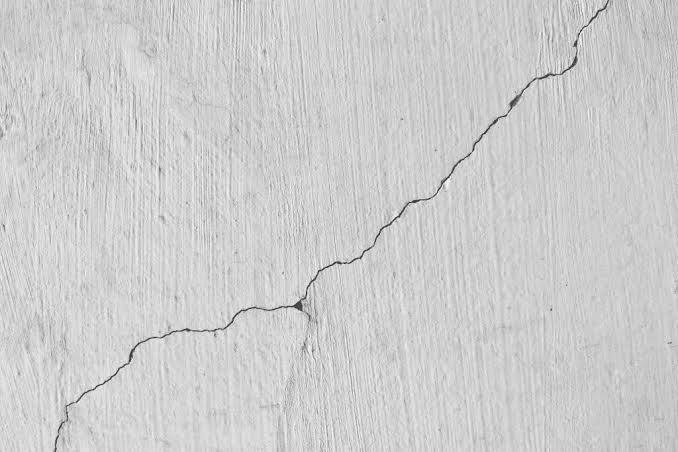
House Levelling in Bendigo
Level floors are the outcome. There are four different ways to get there, and they range from a few thousand dollars to more than thirty.
Which one your house needs depends entirely on why it went out of level in the first place — and on a Bendigo house that could be rotted stumps, settled ground over old workings, or reactive clay doing what it does every summer.
House levelling isn't a single job
“Relevelling”, “house levelling” and “floor levelling” all describe a result rather than a method. The house is out of level and the goal is to bring it back. What varies — enormously — is the work required to achieve that.
Two houses can present with the identical symptom, a floor dropping 40mm across a room, and need completely different work. In one, the stumps have rotted at ground line and the house has sunk onto its own bearers. In the other, the stumps are perfectly sound and the ground beneath them has moved.
The first is a stump problem. The second is a ground problem. Levelling the first costs a fraction of levelling the second, and treating the second as though it were the first means the floor drops again within a couple of seasons.
That is why the floor levels get measured across the whole house, and the cause established, before any method is put on a quote. The three causes of movement in Bendigo, and how to tell them apart →
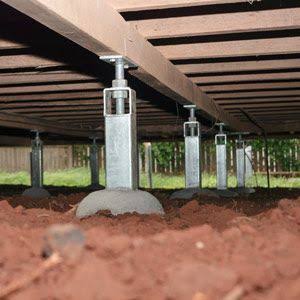
The four ways to level a house, cheapest first
No other Bendigo site publishes this ladder. It matters, because the difference between the top rung and the bottom is roughly tenfold, and the rung you need is decided by the diagnosis rather than by preference.
| Method | When it’s the right answer | Typical cost |
|---|---|---|
| Jack & pack | Stumps are structurally sound but the house has settled. Jacked back towards level and packed on the existing stumps. | [[VERIFY — insert range]] |
| Partial restump | Some stumps have failed, usually on one side, in a wet corner, or under a wet area. Only those get replaced. | Around $280 – $550 per stump installed |
| Full restump | Original timber stumps are at end of life across the whole house. Common on gold-era cottages where the stumps are 90 to 160 years old. | Typically $12,000 – $30,000 |
| Underpinning | The stumps or footings are fine and the ground itself won’t carry the load. The only option on a slab home. | Typically $15,000 – $40,000+ |
Detail on each: jack and pack, restumping in Bendigo, and underpinning.
These are indicative ranges, not quotes, and they shift over time. What sets the actual figure is pier or stump count, access, and how far down sound ground sits — none of which can be known over the phone.
Bendigo houses have often been levelled before — badly
A 140-year-old miner’s cottage in Long Gully or Golden Square has usually had something done to it at least once. Often several times, by several different people, across several decades.
What turns up under these houses is fairly consistent. Stacked timber packers that have compressed or rotted. Bricks and half-bricks used as packing. Hardwood wedges driven in and never fixed. Concrete stumps installed alongside original timber ones, so half the house sits on 1880s red gum and half on 1970s concrete, settling at completely different rates. Old stumps that were cut off rather than removed and left in the ground to rot out beneath a bearer.
Two consequences. First, a house that has been packed repeatedly can be sitting level today and still be structurally unsupported — the packing carries the load until it doesn’t. Second, a mixed-age stump layout will keep going out of level no matter how many times it gets jacked, because the two halves of the house are moving independently.
This is the sort of thing that only shows up when someone actually gets under the house and looks, which is why a subfloor inspection comes before a quote rather than after it.
How level can an old house actually get?
This is the part that tends not to get said before someone takes a deposit.
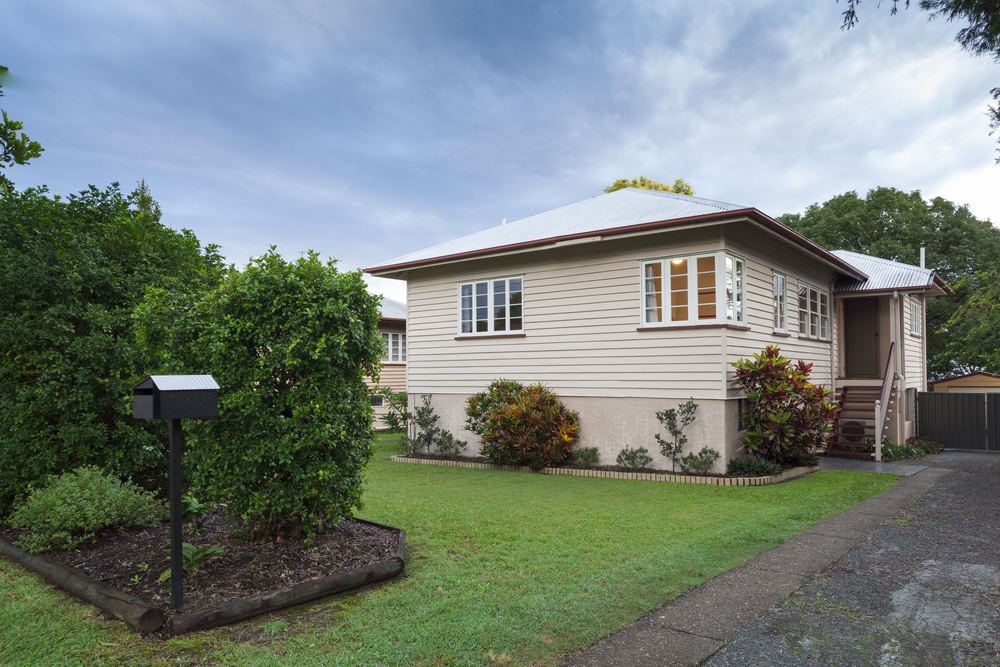
A house that has been standing for 130 years has adjusted to being out of level. Walls have racked slightly out of plumb. Door and window openings have gone out of square, and at some point somebody planed the doors to fit the openings as they were. Plaster and cornices have cracked, been patched, and settled into a new stable position. Floorboards have taken a permanent set.
Bringing that house back to dead level does not undo any of that. It moves everything again. Doors that were trimmed to fit a leaning frame now have gaps. Plaster that had been stable for forty years cracks along its old lines. Tiled areas and cornice junctions are the usual casualties.
So the target on an old Bendigo cottage is normally not perfect level. It is structurally sound, adequately supported, and brought back towards level far enough to remove the symptoms — without forcing the building to move so far that a structural fix creates a cosmetic problem costing thousands to make good.
Anyone promising a dead-flat floor across a gold-era house without mentioning what it does to the plaster is either inexperienced or not telling you the whole thing.
[[VERIFY — if a floor-level tolerance figure from AS 2870 or current industry guidance is to be published here, source it and cite it. Do not publish a number from memory.]]