
Restumping in Golden Square
Golden Square isn’t one housing stock — it’s two, and they fail differently.
Which matters, because two houses three doors apart can need completely different work at completely different prices, and a quote that hasn’t established which era it’s dealing with hasn’t established much.
What's under Golden Square
Golden Square sits inside the Bendigo goldfield — the roughly 16 by 4 kilometre area that held more than 5,000 registered gold mines across 37 gold-bearing quartz reefs.
A Suburb Shaped by Historic Mining
Several of the field’s major named reef systems run through this part of Bendigo, including the Garden Gully, Sheepshead and Deborah lines. How heavily those particular lines were worked is easy to underestimate: in 1917 a single company was formed by amalgamating 35 separate mining operations working the Garden Gully, Sheepshead, Deborah and Derby lines.
Why Street Names Don’t Tell the Whole Story
Historic reef systems do not follow modern street boundaries. They formed along the folded geology beneath Bendigo long before today’s roads and subdivisions existed. Whether historic mining is relevant to a particular Golden Square property depends on its specific location and site history rather than its street address alone.
Mining History and Reactive Clay
Combined with central Victorian reactive clay soils, Golden Square properties can have more than one potential cause of foundation movement. The challenge is determining whether movement is being caused by deteriorated stumps, reactive clay, drainage problems, historic ground conditions or a combination of these factors.
Why Proper Diagnosis Matters
A house with sloping floors or cracking walls should never be assumed to have a mining-related problem simply because it is located in Golden Square. A proper assessment considers the building’s construction, the condition of the stumps or footings, drainage, soil behaviour and any relevant site history before recommending restumping, underpinning or another repair.

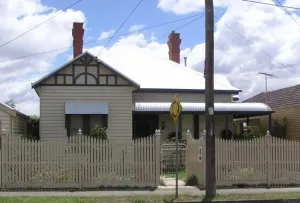
Two housing eras, two generations of stumps
Golden Square sits within the broader Bendigo goldfield, a region shaped by historic mining activity, quartz reef systems and extensive underground workings. The area developed during one of Victoria’s major gold rush periods, leaving a complex ground history that varies from one property to the next.
Several major reef systems were worked throughout the Bendigo field, including the Garden Gully, Sheepshead and Deborah lines. The scale of historical mining is easy to underestimate — in 1917 a single company was formed by combining 35 separate mining operations working across these reef systems.
Reef lines do not follow modern street boundaries. They formed through the underlying geology long before today’s roads and subdivisions existed, which means historical mining influence must be considered on a property-by-property basis rather than assumed from a suburb name alone.
Combined with central Victorian reactive clay soils and changing moisture conditions, Golden Square properties can have several possible causes of movement. The important distinction is whether a problem comes from common foundation issues such as drainage, soil movement and ageing supports, or whether historic ground conditions are relevant to that particular site.
The goldfield, the clay, and how to tell them apart →Working out which one you've got
Rough guide, and worth establishing before you get quotes:
- Original timber stumps, no concrete anywhere — the house has never been done. On 1880s stock, expect end-of-life timber.
- Concrete stumps throughout — it’s been fully restumped at some point. If it’s moving again, the question is why, and the answer is more likely ground than stumps. Ground movement and underpinning →
- A mix of timber and concrete — part-restumped previously. The mixed-material problem above applies, and a partial repeat will produce a third generation of the same issue.
- Stumps look sound but the house has settled — possibly a jack and pack, which is a fraction of the cost.
- Bouncy rather than sloping — joists, not stumps. Very common in the later additions on these cottages. Bouncy floorboards →
You can establish most of that yourself with a torch and access to the subfloor. Clearance on Golden Square cottages is often tight, so don’t force it.
Common findings on Golden Square houses
Rot at ground line rather than mid-stump. Timber fails where moisture and oxygen meet, so a stump can look sound along its length and be gone at the base.
- Tight subfloor clearance. Gold-era cottages here were built low. Working in 300 to 400mm is slower, and labour dominates the cost of this work.
- Narrow side access. Original goldfields subdivision produced tight blocks, so material handling is frequently manual.
- Later additions blocking subfloor ventilation. Enclosed verandahs and back rooms added over the decades cut the cross-flow the house was built with, and a subfloor that can’t dry out rots. Subfloor ventilation →
- Previous packing. Stacked timber packers, bricks, and old stumps cut off rather than removed.
What it costs in Golden Square
- Per stump, installed — around $280 to $550
- Full restump — typically $12,000 to $30,000
- Jack and pack — typically around $500 to $2,500 for localised adjustments, depending on the number of stumps affected, access underneath the home and whether additional repairs are required. Most suitable where existing stumps are still structurally sound but the floor level requires correction.
- Underpinning — typically $15,000 to $40,000+
Two things push Golden Square jobs towards the upper end of a given range: low subfloor clearance and narrow access. Neither is negotiable and both are real. A quote that looks high against a national average may be correctly priced for the block it’s on.
Full cost breakdown, and the nine questions to ask any quote →
Our Other Services
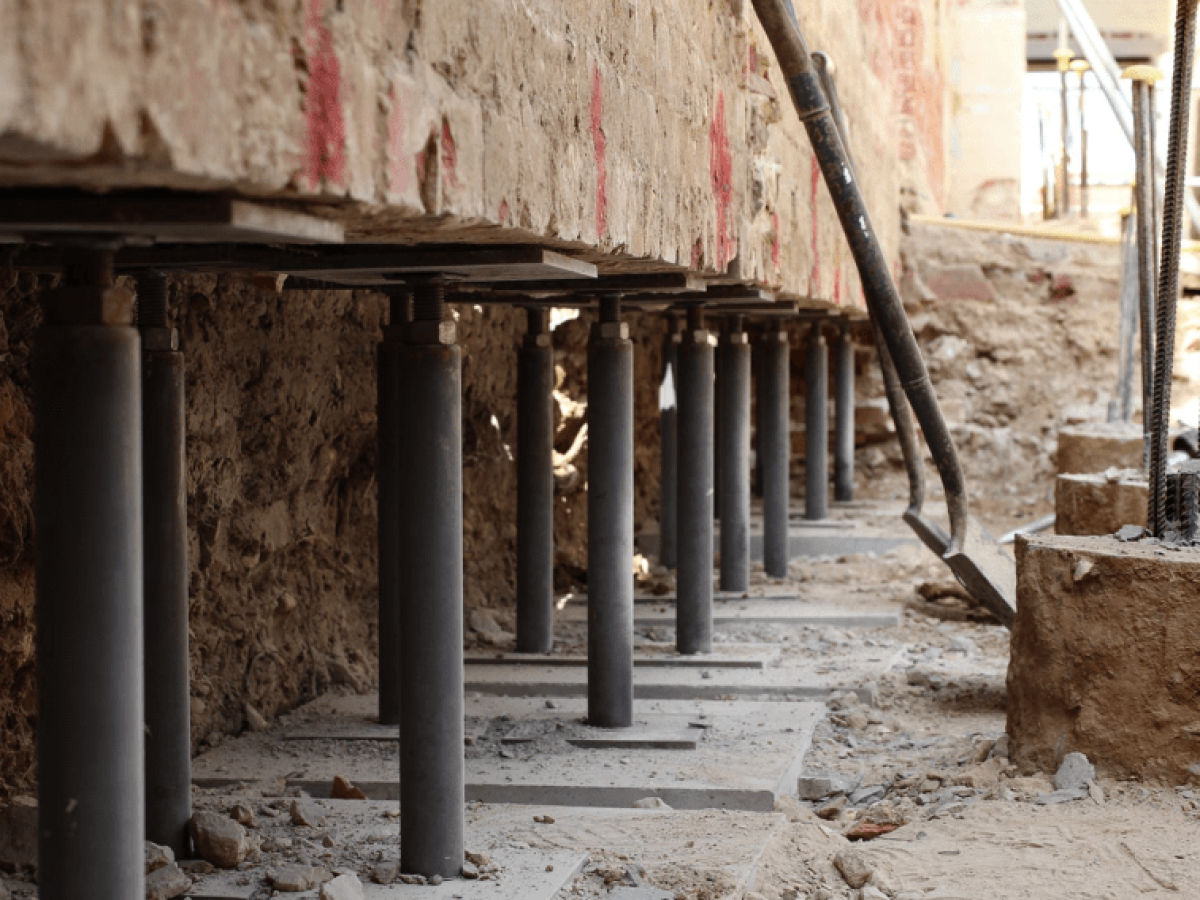
Underpinning
A different thing entirely. Underpinning strengthens or deepens the actual footings, for when the ground has moved rather than the stumps failing. The answer for slab-on-ground homes and houses over disturbed or undermined ground.
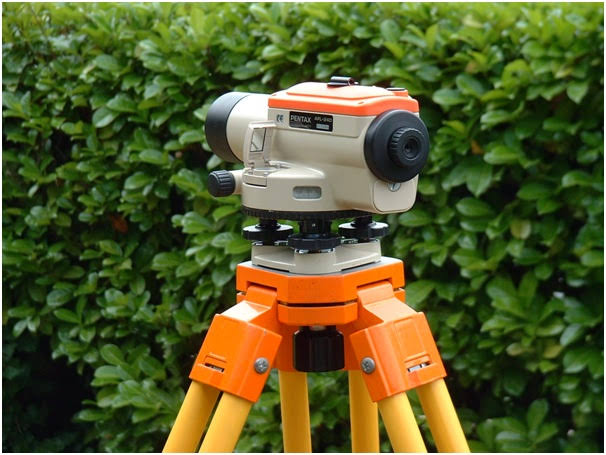
Levelling & Relevelling
Bringing a floor back to level without replacing everything — sometimes on its own, sometimes as part of a restump. Occasionally it’s all a house needs.
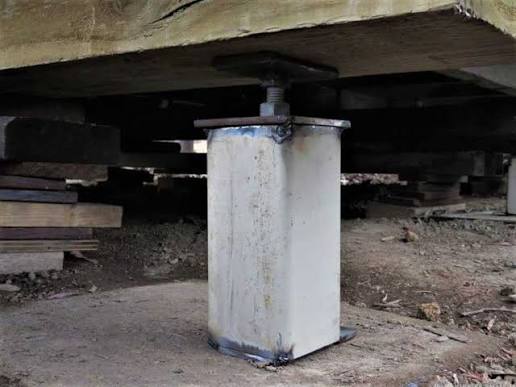
Jack & Pack
Packing and adjusting sound existing stumps to bring the floor back to level, instead of replacing the lot. Far cheaper than a full restump — and if your stumps are structurally fine and have just settled, it may be all you need.
Subfloor Repairs & Ventilation
Rotted bearers and joists, damaged floorboards, and the subfloor ventilation that caused the problem in the first place. Replacing stumps without fixing poor ventilation just restarts the clock.
Find out which era your house is, and what it needs
Five questions — what you’re seeing, what the house sits on, roughly when it was built, why you’re looking into it now, and how to reach you.