
Restumping in Ironbark
Ironbark sits over the deepest mine shafts on the Bendigo goldfield — and that isn’t the thing most likely to be moving your house.
Depth makes for a good story. What actually matters at ground level is different, and worth understanding before anyone quotes you.
What's under Ironbark
The Bendigo goldfield holds 37 gold-bearing quartz reefs across roughly 16 kilometres by 4, worked by more than 5,000 registered mines. What makes it unique isn’t the number — it’s the depth. At least 140 shafts on the field went past 300 metres. Sixty-seven passed 600. Eleven went beyond a kilometre. The two deepest, the Victoria Quartz and the New Chum Railway, reached 1,406 and 1,312 metres respectively.
It is the largest concentration of deep shafts anywhere in the world, and Ironbark is at the heart of it.
On top of all that sits central Victorian reactive clay, carrying deep-movement site classifications because Bendigo is north of the Great Dividing Range in a dry climate — meaning seasonal moisture change reaches further into the soil profile here than it does in Melbourne.
The goldfield, the clay, and how to tell the three causes apart →

Why the deep shafts aren't the problem — and what is
Worth saying plainly, because the alternative is scaremongering: a shaft that goes down 1,400 metres is not what makes a floor slope. Ground movement that reaches a house comes from what’s happening in the top few metres, not a kilometre down.
What depth did determine is how the shaft was closed, and that’s where it gets relevant.
Between the 1930s and the 1950s the Victorian Mines Department dealt with more than 1,600 shafts across the goldfield. The decision on method came down to depth:
- Under roughly 50 metres — filled with mullock, the waste rock from the mining process.
- Deeper than that — capped with a reinforced concrete cap over the opening.
Which means the deep-shaft parts of the field got caps, not fill. And a cap is a lid over a void — poured somewhere between 70 and 95 years ago.
So the two suburbs’ problems differ: a suburb of shallower workings has columns of uncompacted mullock quietly consolidating under it, which is uncontrolled fill and a listed trigger for a Class P site classification. A deep-shaft area has fewer of those and more capped openings instead.
Neither is a reason to panic. Both are reasons not to assume, and there’s a third factor that matters more than either:
Nobody knows exactly where they are. The state’s shaft records for Bendigo were compiled from survey plans and hand-plotted maps drawn between the 1870s and 1950s, with positions largely fixed by tape and compass. The dataset documentation says so, and adds that where several shaft locations appear close together, one shaft may have been mapped more than once — or they may be separate shafts. The official record is approximate and admits it.
What's most likely moving your Ironbark house
In descending order of likelihood, which is roughly the reverse of how dramatic they sound:
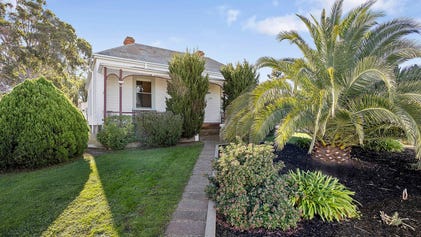
- The stumps have reached end of life. Far and away the most common answer on gold-era housing. Original timber that’s been in clay for 120 to 150 years, failing at ground line. Restumping →
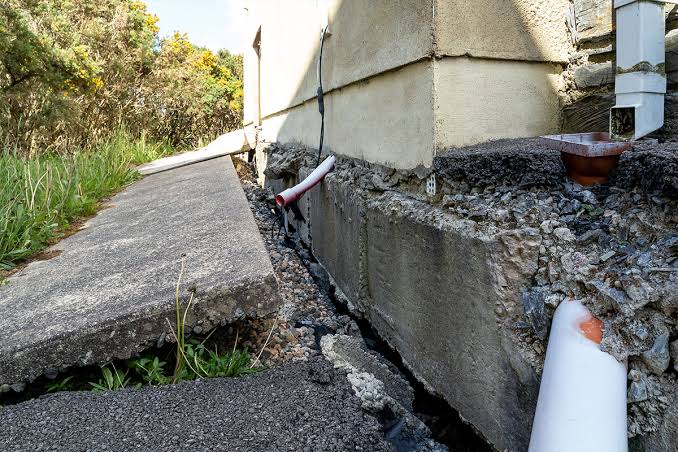
- Reactive clay moving seasonally. Usually driven by water arriving somewhere it shouldn’t — a downpipe discharging beside the house, a cracked stormwater line, ground falling towards a wall. Cheapest thing on this list to address. Drainage and subfloor →
- Joists rather than stumps. If the floor springs rather than sags, it’s a different problem and a cheaper one. Bouncy floorboards →
- Uncompacted or reworked ground. Uncompacted or reworked ground — possible on properties affected by historic land disturbance, but not something that should be assumed across Bendigo suburbs. Historic mining features, filled areas and altered ground conditions are property-specific and should be confirmed through site investigation, available historical records and engineering assessment.
- Subsidence over historic workings. Real, and the reason a site classification matters here, but the least likely of the five. Underpinning →
The point of the ordering: a Bendigo house with sloping floors is far more likely to have tired stumps and a badly placed downpipe than a mine problem. Establishing which is what an assessment is for.
Common findings on Ironbark houses
[[MARKER — replace with real job data once it exists: what actually gets found under Ironbark houses, with photos and street-level detail where owners consent. Do not invent findings, frequencies or case studies. This becomes the strongest block on the page when it’s real.]]
- Rot at ground line, not mid-stump. Timber fails where moisture and oxygen meet, so a stump can look sound along its length and be gone at the base.
- Tight subfloor clearance. Miners’ cottages were built low. Working in 300 to 400mm is slow, and labour is most of the cost.
- Narrow access. Original goldfields subdivision produced tight blocks, so material handling is frequently by hand.
- Later additions blocking subfloor ventilation. Enclosed verandahs and back rooms cut the cross-flow the house was built with, and a subfloor that can’t dry out rots.
- Previous packing. Stacked timber, bricks, and old stumps cut off rather than removed.
What it costs in Ironbark
- Per stump, installed — around $280 to $550
- Full restump — typically $12,000 to $30,000
- Jack and pack — typically around $500 to $2,500 for localised adjustments, depending on the number of stumps affected, access underneath the home and whether additional repairs are required. Most suitable where existing stumps remain structurally sound but the floor level requires correction.
- Underpinning — typically $15,000 to $40,000+
Low subfloor clearance and narrow access push Ironbark jobs towards the upper end of a given range. Both are real factors and neither is negotiable.
One Ironbark-specific note: where a site classifies as Class P, issues such as uncontrolled fill, abnormal moisture conditions or other site hazards may require specific engineering consideration. Standard footing designs may not apply, and an engineer may need to design specifically for the site. This is a separate cost from construction, so it is worth confirming whether engineering is included in a quote.
Full cost breakdown, and the nine questions to ask any quote →
Our Other Services
Underpinning
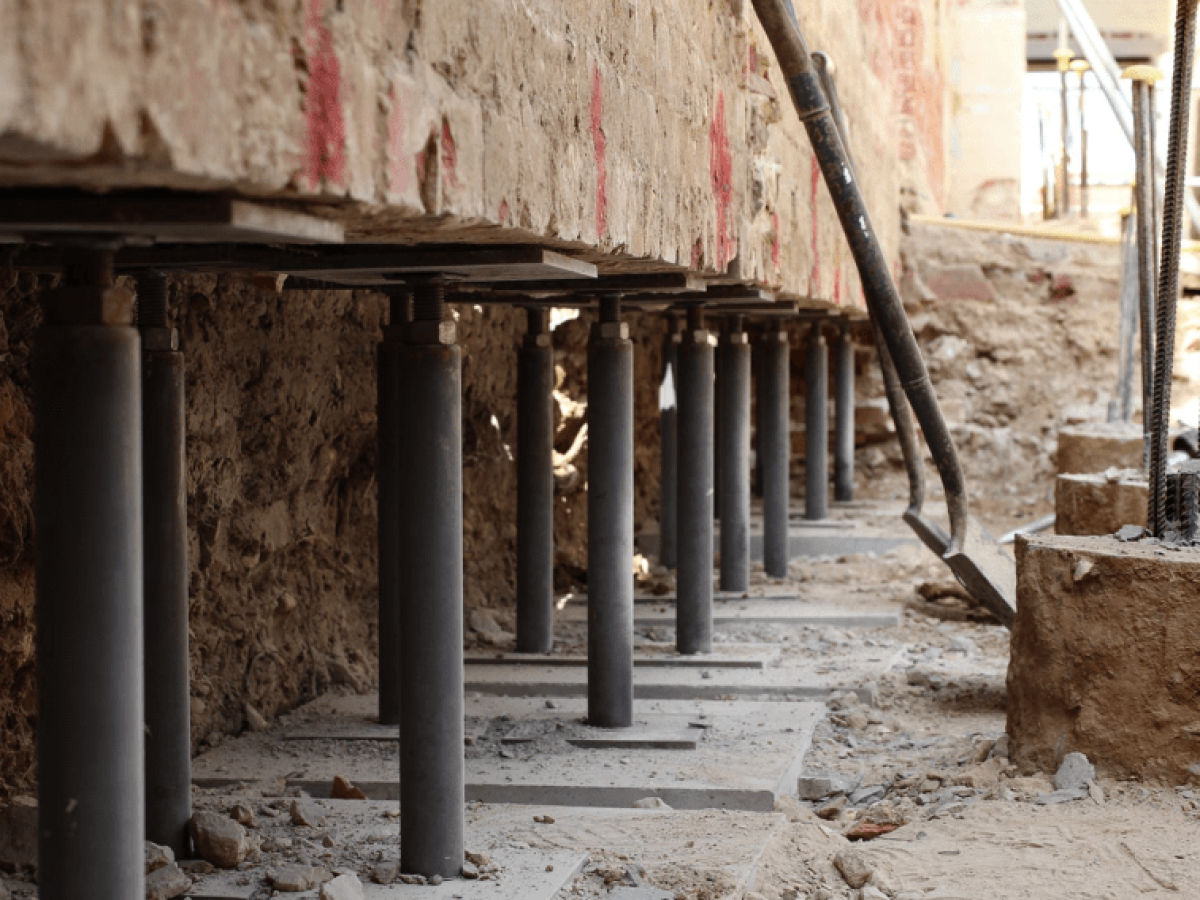
A different thing entirely. Underpinning strengthens or deepens the actual footings, for when the ground has moved rather than the stumps failing. The answer for slab-on-ground homes and houses over disturbed or undermined ground.
Levelling & Relevelling
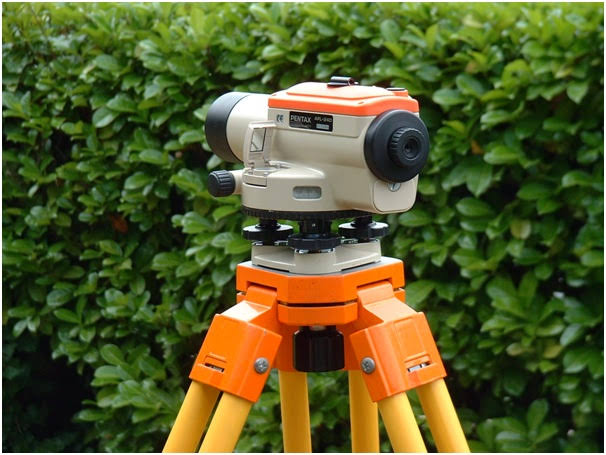
Bringing a floor back to level without replacing everything — sometimes on its own, sometimes as part of a restump. Occasionally it’s all a house needs.
Jack & Pack
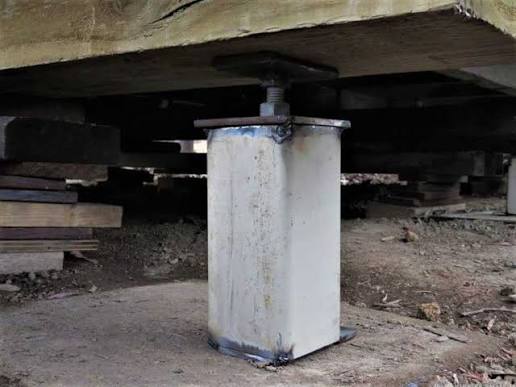
Packing and adjusting sound existing stumps to bring the floor back to level, instead of replacing the lot. Far cheaper than a full restump — and if your stumps are structurally fine and have just settled, it may be all you need.
Subfloor Repairs & Ventilation
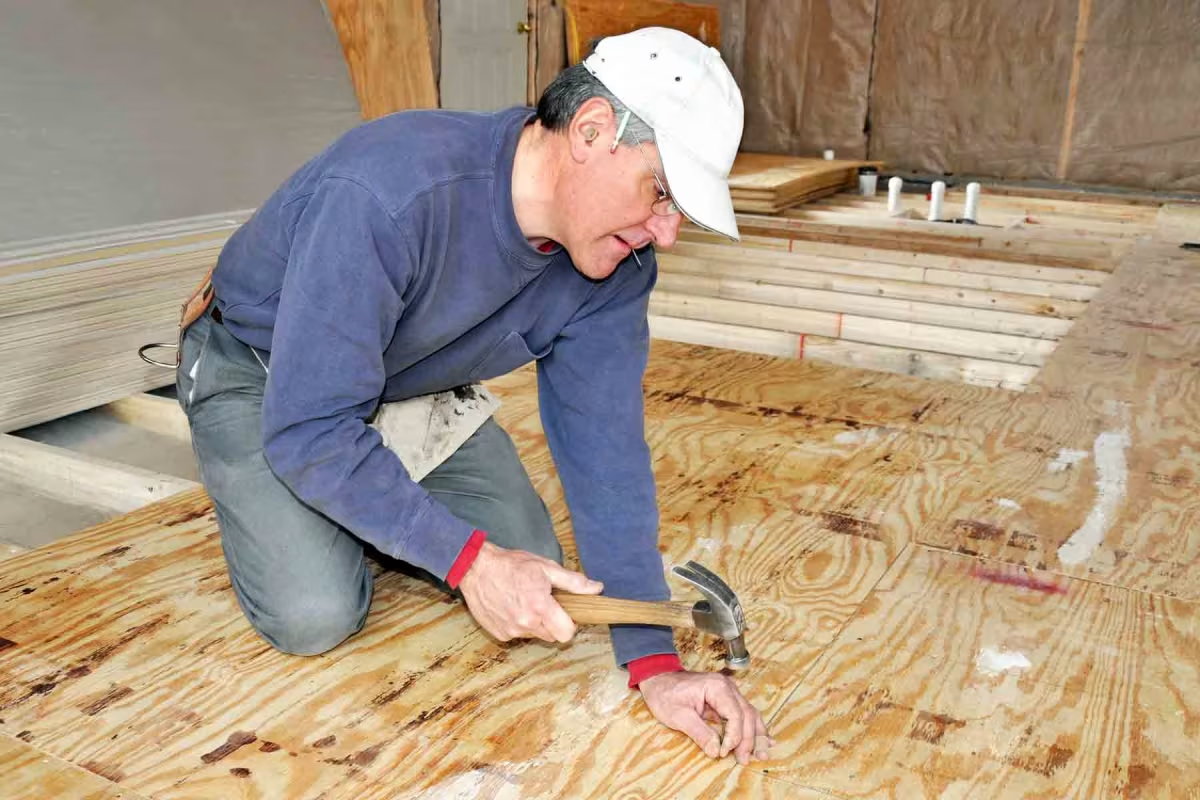
Rotted bearers and joists, damaged floorboards, and the subfloor ventilation that caused the problem in the first place. Replacing stumps without fixing poor ventilation just restarts the clock.
Find out what's actually moving it
Five questions — what you’re seeing, what the house sits on, roughly when it was built, why you’re looking into it now, and how to reach you. Most of the time the answer is stumps and a downpipe, not a mine.