
Restumping in Strathfieldsaye
There are no mines under Strathfieldsaye, which rules out a whole category of explanation and leaves three real ones.
Reactive clay, drainage, and trees. On large semi-rural blocks with mature vegetation close to the house, the third is more often the answer than people expect — and the fix isn’t always what you’d assume.
What being outside the goldfield rules out
Strathfieldsaye’s mining history and what it means for restumping
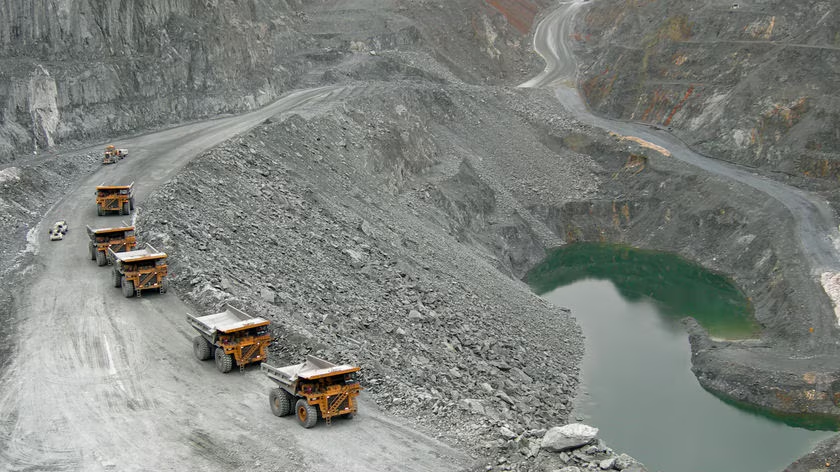
Much of Bendigo sits within a historic goldfield landscape. The region contains thousands of recorded historical mining features, including mine shafts and workings documented through Victorian Government historical mining datasets.
Strathfieldsaye sits on the eastern side of Bendigo and has a different development history from the city’s central goldfield suburbs. While some parts of the broader Bendigo region have a dense concentration of historic mining activity, the likelihood and relevance of old workings depends on the exact property location rather than the suburb name alone.
Does historic mining affect homes in Strathfieldsaye?
For most Strathfieldsaye homes showing signs of movement, the first questions are usually about the foundation system itself — including reactive clay soils, drainage problems, moisture changes and ageing stumps or footings. Historic mining is something that may need to be checked where records indicate nearby workings, but it should be investigated rather than assumed.
Why diagnosis matters before restumping
A sloping floor, sticking doors or cracking walls can have several causes. In older Bendigo properties closer to known mining areas, historic workings may form part of the investigation. In Strathfieldsaye, the assessment usually focuses first on ground movement, drainage conditions and the condition of the existing support system.
A proper inspection looks at the actual evidence: floor levels, subfloor conditions, drainage, soil behaviour and any relevant historical records before recommending restumping or other repairs.
Trees, and why large blocks change the problem
Strathfieldsaye’s lots are generally larger than the tighter estate subdivisions closer to town, and larger lots come with more established vegetation — often mature trees within striking distance of the house.
On reactive clay, a large tree is a moisture pump. Its roots draw water out of the soil profile continuously through the growing season, and they do it unevenly — heavily on the side of the house nearest the tree, barely at all on the far side. Reactive clay shrinks as it dries. So the soil under one part of the house contracts while the soil under the rest doesn’t.
That’s differential movement, and differential movement is what cracks buildings. A uniform drop does very little damage; a drop on one corner does a great deal.
Three factors determine how much a tree matters:
- Distance from the footings. Influence falls away with distance, and the usual guidance relates it to the mature height of the tree rather than its current size.
- Species water demand. Some species draw far more moisture than others. Eucalypts are generally high-demand, which matters in a semi-rural Victorian setting.
- Site reactivity. The more reactive the clay, the more a given moisture change moves the ground. Bendigo’s classifications carry a deep-movement suffix, meaning the moisture cycle reaches further into the profile than it does south of the Great Dividing Range.
Trees aren’t the enemy, and this isn’t an argument for clearing your block. It’s an argument for knowing which tree is doing what before anyone prices a structural repair — because the alternative is underpinning a house that would have stopped moving anyway.
The trap: removing the tree can make it worse
This is the part that catches people, and it’s counter-intuitive enough that it’s worth reading twice.
If a tree has been drawing moisture out of clay beside your house for twenty years, that soil has been in a persistently drier state than it would otherwise be — and the house has settled into that condition. It’s stable, even if it’s not level.
Take the tree out and the pumping stops. Rain and irrigation return moisture to soil that has been dry for two decades. Reactive clay swells as it rehydrates. The ground doesn’t just stop dropping — it rises.
That’s heave, and it’s the opposite of settlement. It can lift part of a house, and the damage from lifting one corner is no less than the damage from dropping one. On a slab it can crack the slab itself.
The practical consequences:
- Removing a large tree near a house on reactive clay is a decision with structural implications, not just a gardening one
- Where a tree is genuinely causing damage, staged removal or root management is sometimes preferred to felling it outright
- If a tree has already been removed and movement started afterwards, that sequence is diagnostically important and should be mentioned when you get an assessment
- Underpinning a house that’s heaving is a different engineering problem from underpinning one that’s settling
Which is why “there’s a big gum near the corner that’s cracking” is not, on its own, a recommendation to remove the gum.
Stumps or slab?
[[VERIFY — establish the housing stock split between pre-estate rural housing and newer slab development. It determines both the slug and the emphasis of this block.]]
Strathfieldsaye has rural township origins and substantial newer growth, so both exist — though the newer housing dominates.
Newer estate housing sits on a concrete slab. There are no stumps, so restumping, reblocking and jack and pack are all impossible. Where a slab is moving, the options are underpinning or resin injection — or dealing with the moisture source, which costs a fraction of either.
Older rural and township housing may have a suspended timber floor on stumps, in which case restumping and jack and pack are both live options.
Not sure which you have? The two-minute check is here — subfloor vents, a step at the front door, and what’s under the carpet.
If your home is newer, check this before you pay for anything: Victorian domestic building work carries statutory warranties, and structural defects have their own warranty period. The movement may be something your builder remains responsible for. More on that →

What's most likely moving your Strathfieldsaye house
- Uneven moisture around the perimeter. A downpipe discharging beside the house, a cracked stormwater line, ground falling towards a wall, or a watered garden on one side and dry ground on the other. The most common cause and the cheapest to fix. Drainage and moisture →
- Trees drawing moisture from one side of the profile — the subject of this page, and more relevant on large lots than on tight estate blocks.
- Seasonal clay movement. Some of this is normal on reactive sites and reverses each year. Worth establishing whether yours is seasonal or one-way before acting. How to monitor it over a season →
- Fill from site works, where a building platform was cut and filled during development. Less pronounced on larger lots than in tight estate subdivision, but worth checking. Cut-and-fill platforms →
- Slab design not matched to the site classification — worth obtaining the original soil report and engineering design if movement is significant.
- Stumps, on the older housing only.
Note that the top three are all moisture, and the top one is usually cheap.


What it costs in Strathfieldsaye
- Drainage rectification — hundreds rather than thousands, and frequently the whole answer
- Root barrier or root management — typically around $500 to $3,000+ depending on the size of the tree, excavation required and whether removal, pruning or physical root barriers are involved
- Per pier, underpinning — around $1,200 to $2,500
- Partial underpinning (one corner or side) — typically around $5,000 to $15,000, depending on the number of piers required and site conditions
- Whole-house underpinning — typically $15,000 to $40,000+
- Resin injection — typically around $3,500 to $12,000 for suitable slab homes, although suitability depends on the cause and extent of settlement
- Restumping, older housing only — typically $12,000 to $30,000, or around $280 to $550 per stump
One Strathfieldsaye-specific factor: larger lots generally mean better machine access, which can reduce labour time and make some repairs more cost-effective compared with tighter inner Bendigo blocks. Where piering or underpinning is required, access can have a noticeable impact on the final quote.
Full cost breakdown, and the nine questions to ask any quote →Our Other Services
Underpinning
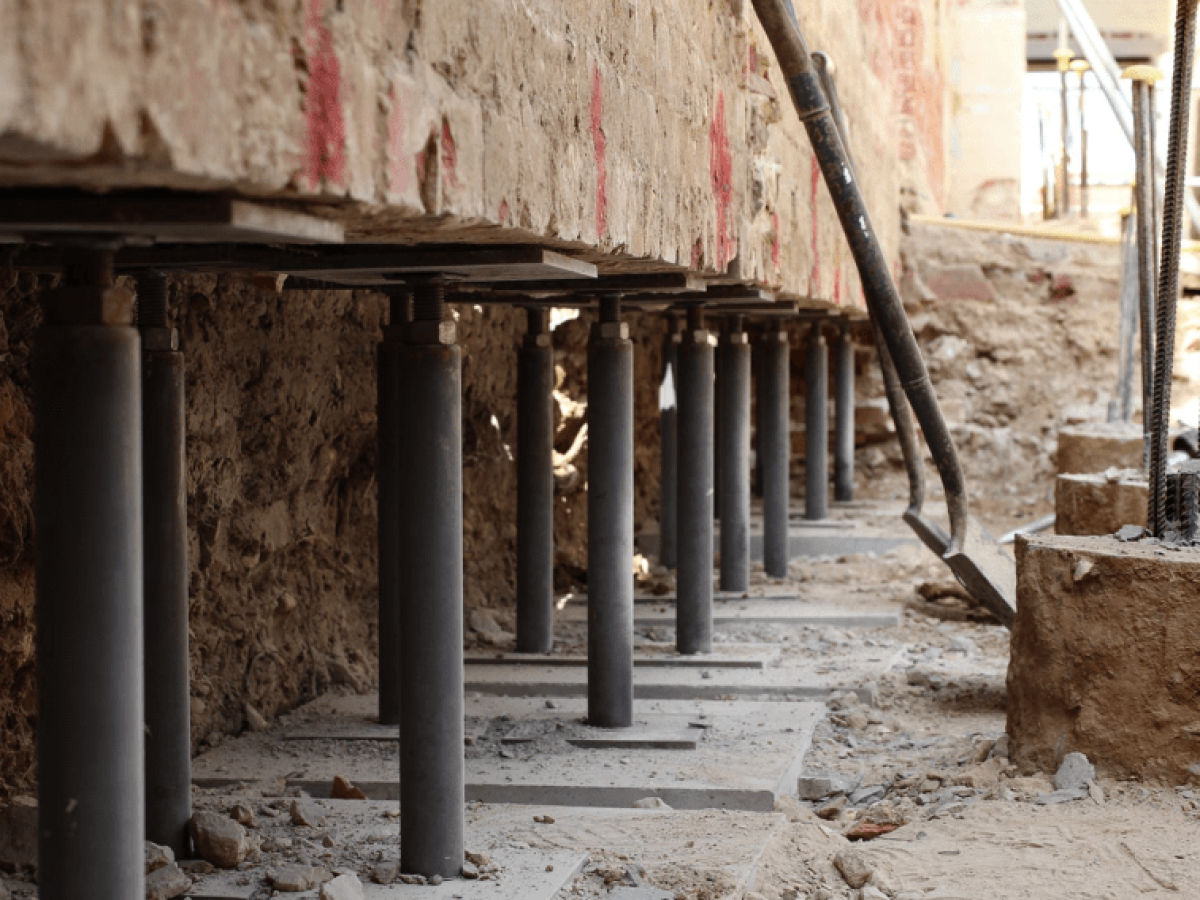
A different thing entirely. Underpinning strengthens or deepens the actual footings, for when the ground has moved rather than the stumps failing. The answer for slab-on-ground homes and houses over disturbed or undermined ground.
Levelling & Relevelling
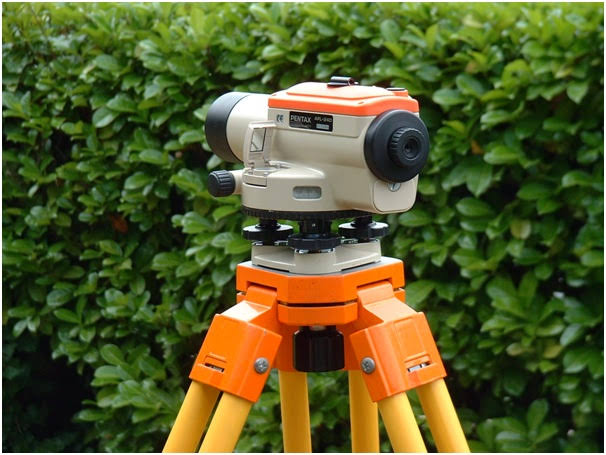
Bringing a floor back to level without replacing everything — sometimes on its own, sometimes as part of a restump. Occasionally it’s all a house needs.
Jack & Pack
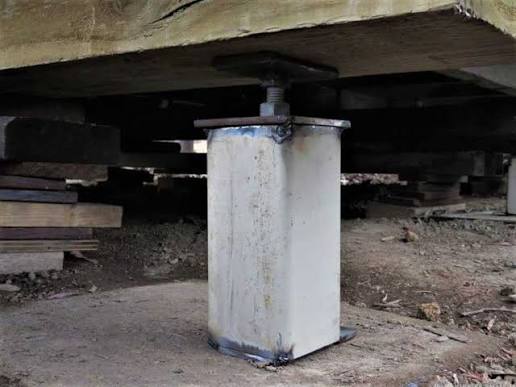
Packing and adjusting sound existing stumps to bring the floor back to level, instead of replacing the lot. Far cheaper than a full restump — and if your stumps are structurally fine and have just settled, it may be all you need.
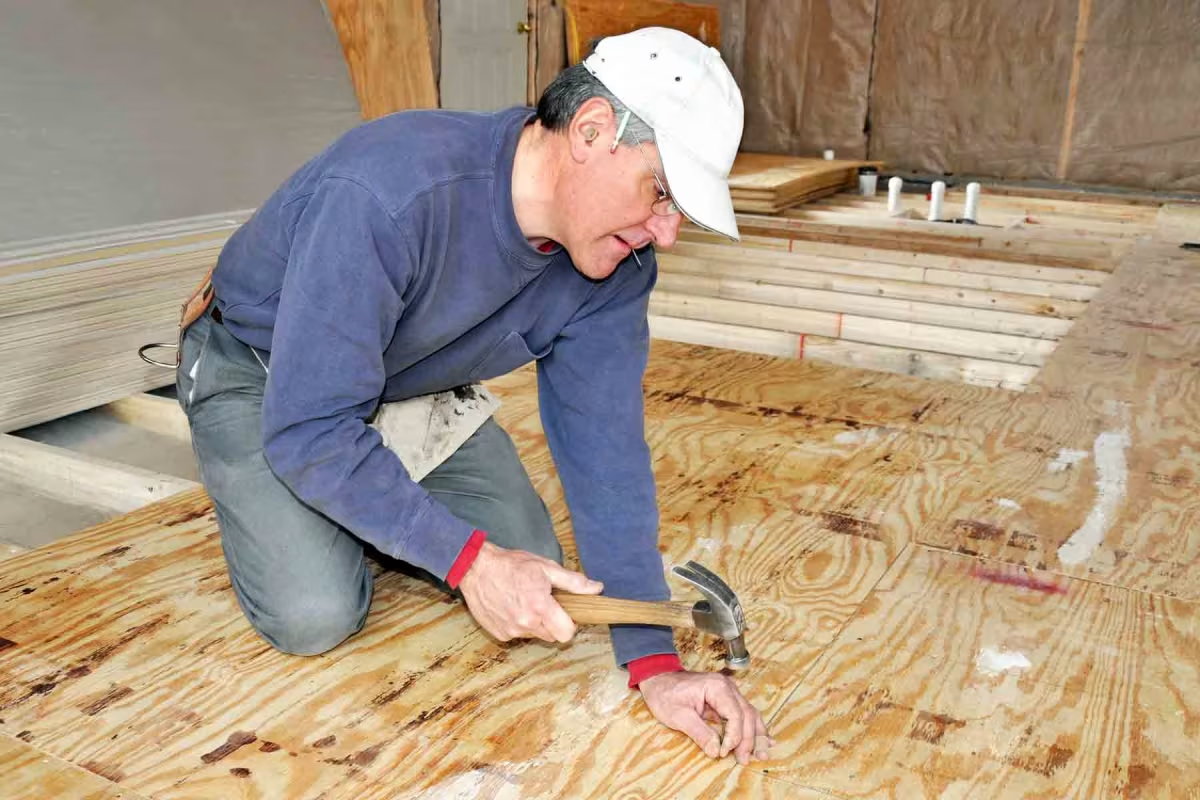
Subfloor Repairs & Ventilation
Rotted bearers and joists, damaged floorboards, and the subfloor ventilation that caused the problem in the first place. Replacing stumps without fixing poor ventilation just restarts the clock.
Find out whether it's the tree, the water, or the ground
Five questions — what you’re seeing, what the house sits on, roughly when it was built, why you’re looking into it now, and how to reach you. Mention any large trees near the house, and whether any have been removed recently. Both matter.